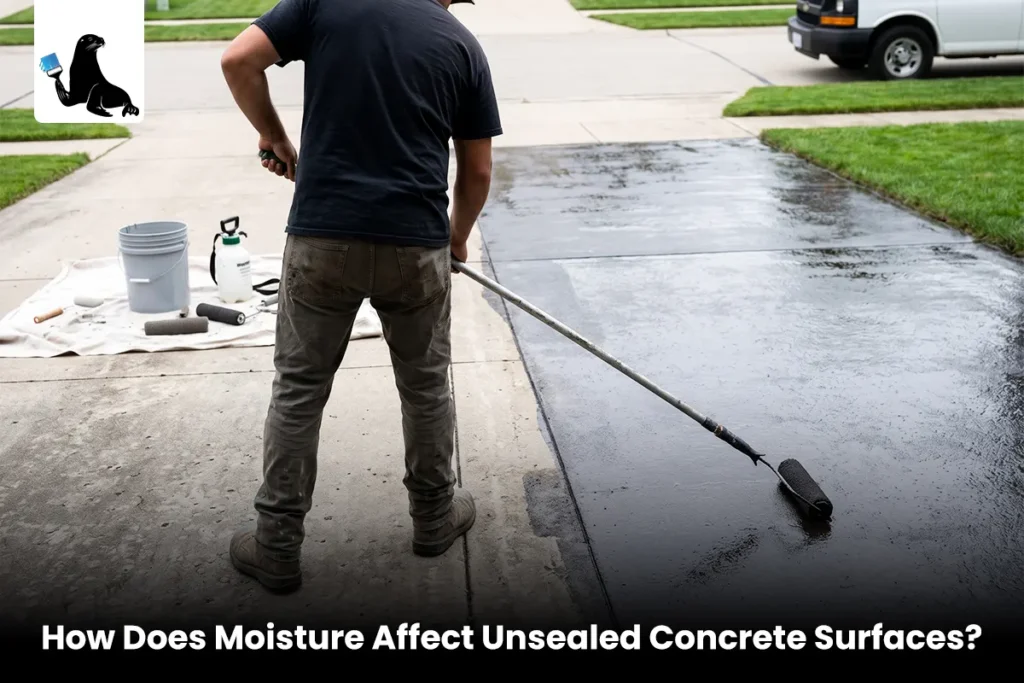
Your driveway plus patio or garage floor tackles water every single day even when you cannot see it. If you see some cracks or stains appear on your driveway that means you need professional concrete sealing services in Cincinnati, OH. This way you can protect your home curb appeal. One of the main causes of the deterioration of unsealed concrete over time is moisture. This guide explains why water is dangerous for concrete and how some easy measures help to keep it healthy.
What Problems Can Water Cause on Unsealed Concrete?
Unsealed concrete absorbs water and slowly lowers the strength of the concrete from the inside out. Concrete is hard and strong but has little pores in it which suck water. As that water evaporates, it creates white yet chalky stains called efflorescence or salt bloom. Water and salt can lead steel bars to rust as well as swell when they are encased in concrete. The rusty steel presses against the surrounding concrete and causes cracks and leads to broken chunks. It can be tested by pouring water onto your slab and observing if it immediately darkens.
How Does Cincinnati Weather Make Moisture Damage Worse?
Moisture damage is exacerbated by Cincinnati weather, which brings with it wet seasons and cold winters. In a normal year there are over 40 inches of rainfall and melted snow in the area. Winter weather is frequently below freezing with temperatures sometimes fluctuating above and below the freezing point within a single week. Each year, this combination of water and cold can cause a significant amount of stress on bare concrete.
Freeze Thaw Cycles in Winter
When water freezes then it expands about 9 percent and this causes cracks to develop within concrete. With each freeze thaw cycle the cracks get larger and more water enters. This accelerates on surfaces coated with rock salt and leads to peeling of the surface.
What Signs Show Moisture is Damaging Your Concrete?
The signs of moisture damage are evident enough to be seen in a simple walk outside. The first thing you’ll notice will be white powder. Chalky marks indicate that salts are being transported up through the slab and are being deposited on the surface. Other signs include a flaking surface indicating freeze thaw issues and excessive salt loads. If water remains standing for long after the rain, then there are dark stains. You should also list all the signs you discover to notice changes from one season to the next.
Sealed Vs Unsealed Concrete
The ability of the sealed concrete to resist moisture is much greater than unsealed concrete, and the difference continues to widen year after year. A clear coat that rolls off when water is applied is called a sealer. Below is a table which compares the ability of each surface type to resist the most prevalent moisture issues.
| Feature | Unsealed Concrete | Sealed Concrete | Epoxy-Coated Concrete |
| Water | Soaks in fast | Beads up | Stays on top |
| Freeze-thaw risk | High | Lower | Low (indoors) |
| Oil and spill stains | Stain fast | Easy to wipe | Very easy to wipe |
| Upkeep | Frequent repairs | Reseal every 2–5 years | Repair as needed |
| Best use | Short term only | Driveways, patios and walks | Garages, shops and warehouses |
Professional concrete sealing uses the right sealer for your slab plus weather and daily traffic. . Commercial concrete sealing is on the same principle but with more durable products used in high-traffic areas such as loading spots and lots.
When is Epoxy a Better Choice?
The thick, hard coating is called epoxy and it adheres to concrete and creates a waterproof exterior surface. Before any coating is applied an epoxy flooring service in Cincinnati, OH should test your slab for moisture. This test is important because of the potential for bubbles and peeling if there is too much moisture under epoxy.
If you run a shop then commercial epoxy flooring or warehouse epoxy floor installation is the best option for you as they can handle heavy carts and forklifts well. Apart from that, choosing custom decorative epoxy flooring for homes with colorful flakes or metallic finishes can help you increase your home resale value plus curb appeal. If a floor is chipped or peeling then epoxy floor repair services can help you fix it before water spreads further.
FAQs
How moisture damages unsealed concrete?
When water soaks into concrete pores then it weakens the slab from inside and leaves white chalky stains over time.
Why does Cincinnati winter so hard on concrete?
Freezing water expands inside your concrete while pushing cracks wider each time Cincinnati temperatures drop below freezing.
Which signs show that moisture is damaging your concrete?
You should look for white powder as well as flaking spots plus dark stains or moss growth on your concrete after rain.
When to choose epoxy instead of a sealer?
Choose epoxy for garages as well as shops and warehouses where heavy traffic plus oil spills and forklifts are common.
Conclusion
The most common problem with unsealed concrete is moisture and the damage happens slowly over the years. The water penetrates the pores as well as provides nourishment for freeze thaw cycles and weakens the slab from within. That’s a process that Cincinnati’s wet seasons and cold winters accelerate very quickly. Preventing the concrete blocks from taking in water before it harms them in the long run. The sooner you do anything, the less repair you will have to do on your slab.
Get Help Protecting Your Concrete Before Winter
A trained crew will be able to examine your concrete if it has white stains, flakes or cracks. Complete Seal Solutions offers concrete sealing and epoxy coatings for homes and businesses all over Cincinnati. The team inspects your slab as well as tests for moisture and explains which option fits your space. Clear answers to costs and timing are provided before any work is even started. Call or text today and schedule an appointment to prevent winter damage to your concrete.